
If you’ve ever wondered why some people seem to earn money even when they’re not “at work,” you’ve already brushed up against the idea of passive income. You might see phrases like “make money while you sleep” or “earn income on autopilot” and think it sounds unrealistic or too good to be true.
The reality is more balanced: passive income is real, but it usually takes time, effort, and strategy up front. It’s less about magic money and more about building systems, assets, and smart income streams that don’t depend on you trading every hour for a paycheck.
In this beginner-friendly guide, we’ll break down what passive income is, how it actually works in the real world, common types of passive income, and what you need to know before you start.
What Is Passive Income?
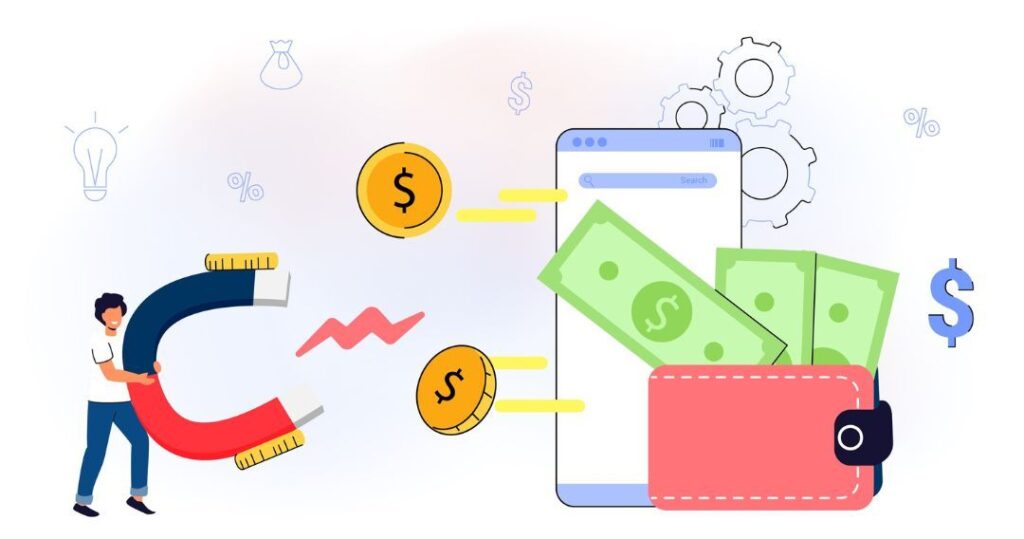
Passive income is money you earn from an asset, system, or project that continues to pay you after the main work is already done. Instead of getting paid only when you clock in hours (like a regular job), passive income can keep coming in even when you’re not actively working at that moment.
However, there are two very important truths:
- Most passive income is not 100% passive.
It usually requires upfront effort (building, creating, or setting up something) and ongoing maintenance (updating content, answering some questions, managing accounts). - Passive income is about leverage, not shortcuts.
You’re building something once and getting paid many times, instead of being paid once for every hour you work.
Some common examples include:
- Royalties from digital products or content
- Commissions from evergreen affiliate marketing
- Ad revenue from content that keeps getting views
- Recurring payments from membership or subscription models
Active Income vs Passive Income (Clear Comparison)
To really understand what passive income is, it helps to compare it with active income.
Active Income
Active income is money you earn directly for your time and effort, such as:
- Hourly jobs
- Salaried work
- Freelancing
- Client projects
If you stop working, the money stops.
Passive Income
Passive income is money you earn from assets or systems, such as:
- Content that generates ad revenue
- Digital products that keep selling
- Automated affiliate funnels
- Email sequences that promote offers over time
You’re not always working when the money comes in, because something you built earlier is still working for you.
How Passive Income Actually Works (Behind the Scenes)
Behind every “passive income” stream, there are usually three stages: build, connect, and maintain.
1. Build an Asset or System
First, you create something that can deliver value without you being present every second, such as:
- A blog or website with helpful guides and reviews
- A digital product (ebook, template, course, tool)
- A YouTube channel with evergreen content
- An automated email funnel that educates and recommends tools
This is where the real “work” is. You might spend weeks or months building:
- Content
- Automations
- Landing pages
- Lead magnets
- Review articles
2. Connect It to Revenue
Next, you connect your asset to a way of making money:
- Ad revenue: Display ads or video ads on content that gets traffic
- Affiliate marketing: Recommending products/tools and earning commissions when people buy
- Digital product sales: Selling your own courses, ebooks, printables, templates
- Memberships: Offering exclusive content or community access for a recurring fee
The more people who find and use your content, the more potential income it can generate.
3. Maintain and Improve Over Time
Even passive income needs maintenance, such as:
- Updating outdated information
- Improving SEO and traffic strategies
- Answering occasional customer or subscriber questions
- Refreshing content or offers as needed
But the key difference is this: you’re maintaining and improving a system, not constantly starting from scratch.
Types of Passive Income (Online-Focused)
There are many types of passive income, but here we’ll focus on digital and online methods that match the style of TopReviewsPrint: AI tools, software tools, and make money online systems.
1. Content-Based Passive Income
You create content once and let it work for you over time.
Examples:
- Blog posts that rank in search engines and earn from ads or affiliate links
- YouTube videos that generate ad revenue and send traffic to offers
- Tutorial articles that point to software tools through affiliate links
This approach is perfect if you enjoy writing, explaining tools, or teaching online.
2. Affiliate Marketing as Passive Income
With affiliate marketing, you:
- Recommend tools, software, or training you believe in
- Use special tracking links
- Earn a commission when someone clicks and purchases
Passive income happens when:
- Old content (like a review or tutorial) keeps bringing in visitors
- Email sequences keep promoting relevant tools on autopilot
- SEO and social content keep sending traffic to your affiliate pages
Affiliate marketing becomes more passive over time as your library of content and funnels grows.
3. Digital Product & Course Income
You create one product, and sell it repeatedly:
- Step-by-step courses
- AI prompt packs or templates
- Checklists and planners
- Digital toolkits or swipe files
Once the product is built and the delivery system is automated (checkout page, email delivery, members area), sales can come in any time of day, even when you’re offline.
4. Subscription and Membership Income
Subscription-based income can look like:
- Paid newsletters
- Private communities or masterminds
- Monthly template or resource drops
You do still create content every month, but the billing is automated and your income can become more stable and predictable over time.
5. Semi-Passive Freelancing and Service Systems
Even if you’re a freelancer or service provider, you can add passive elements:
- Productized services (standardized offers with clear scope)
- “Done-with-you” programs that reuse the same frameworks
- Templates and systems you sell alongside services
You’re still working actively, but more and more of your income comes from reusable assets rather than pure hours.
Practical Use Cases: Passive Income in Real Life
To make this more concrete, here are some realistic scenarios of how passive income works.
Scenario 1: AI Tools Blog + Affiliate Income
- You create a blog focused on AI tools for writers, marketers, and creators.
- You write detailed “what is” explainers, tutorials, and comparisons.
- Your articles include affiliate links to tools you recommend.
- Over time, search traffic and social shares bring visitors every day.
- People sign up or buy through your links, generating commissions—even on days when you don’t publish anything new.
Scenario 2: Simple Course + Email Funnel
- You create a beginner-friendly course on using free AI tools to speed up content creation.
- You offer a free mini-guide or checklist in exchange for email sign-ups.
- Your email marketing software sends an automated sequence:
- Email 1: Welcome + free guide
- Email 2–4: Tips, examples, and case studies
- Email 5: Invitation to purchase your course
Once set up, this funnel brings in students whenever new people join your list from content, social media, or search.
Scenario 3: YouTube Channel + Ads + Affiliate Links
- You create “how to use this tool” or “simple tutorials” videos.
- Your videos receive views month after month.
- The videos earn ad revenue and send viewers to your site or affiliate links.
Again, the work is front-loaded. Once the content exists, it becomes a long-term asset.
Pros and Cons of Passive Income (Honest Look)
Pros
- Leverage: Build once, earn many times.
- Flexibility: Income can come in when you’re doing other things.
- Scalability: Systems can serve 100 or 100,000 people with relatively similar effort.
- Potential for freedom: Over time, a strong passive income foundation can give you more control over your time.
Cons
- Upfront work: You often do a lot of work before you see results.
- Learning curve: You may need to learn about SEO, funnels, tools, or marketing.
- No guarantees: Not every project or asset will earn significant income.
- Maintenance: Truly “set and forget” is rare—you still need to update and optimize.
The key is to treat passive income like a real project or business, not a lottery.
Step-by-Step Beginner Guide to Getting Started with Passive Income
Here’s a straightforward roadmap to begin your passive income & side hustles journey without getting overwhelmed.
Step 1: Choose a Main Topic Area
Instead of chasing every trend, pick a topic you’re willing to learn and talk about, such as:
- AI tools and productivity
- Software tutorials and reviews
- Make money online methods
- A skill you already have (design, writing, video, etc.)
Your topic becomes the foundation for content, offers, and systems.
Step 2: Decide on One Primary Passive Model
Start with one main model instead of trying everything at once:
- Content + ads
- Content + affiliate marketing
- Simple digital product + email funnel
For most beginners, content + affiliate marketing is a very accessible starting point.
Step 3: Build a Simple Platform
Choose where your “digital asset” will live:
- A blog/website
- A YouTube channel
- A newsletter or email list (ideally combined with a blog or other platform)
You don’t need everything from day one. Just one home base that you can build out steadily.
Step 4: Create Helpful Evergreen Content
Focus on content that can stay useful for months or years:
- “What is…” explainers
- “How it works…” breakdowns
- “Beginner guides” for key tools or methods
- Simple tutorials that solve specific problems
This type of content pulls in consistent search traffic over time.
Step 5: Connect Content to Offers
If you’re doing affiliate or product-based passive income:
- Add clear but honest mentions of recommended tools or resources
- Link to relevant guides, reviews, or product pages inside your content
- Set up a simple email opt-in and a basic welcome sequence
This is where make money online meets helpful content—you’re genuinely helping people solve problems while earning from relevant tools or resources.
Step 6: Use Basic Automation
Even early on, you can use simple automation:
- Email welcome sequences
- Tagging subscribers by interest
- Drip mini-series or beginner courses
Automations don’t create income by themselves, but they amplify the impact of your content and offers.
Step 7: Improve Gradually
As you gain experience:
- Look at which content brings in the most traffic
- Notice which links or offers get the most clicks
- Create more content and offers aligned with what’s working
Passive income grows iteratively—one piece at a time, not overnight.

Tips for Beginners Considering Passive Income
Focus on Skills, Not Just Income
The skills you learn while building passive income streams—writing, SEO, email marketing, funnel building, content creation—are valuable on their own. Even if one project fails, the skills stay with you.
Be Realistic About Time and Results
Passive income rarely means “get rich this month.” A more realistic mindset is:
- Months 1–3: Learn, experiment, build foundations.
- Months 4–12: Start seeing small but meaningful results.
- Year 1 and beyond: Potential to scale, refine, and diversify streams.
Don’t Rely on One Single Stream
As you grow, consider creating more than one income path:
- An affiliate-focused blog section
- A beginner-friendly digital product
- A simple newsletter with occasional promos
Multiple small streams can add up to more stability.
Stay Honest and Ethical
In the make money online space, trust matters. Avoid:
- Overhyping results
- Making unrealistic promises
- Promoting tools or methods you don’t believe in
Long-term passive income is built on helping people and being trustworthy, not quick tricks.
Common Misconceptions About Passive Income
“Passive Income Means No Work”
Reality: It usually means front-loaded work and lighter ongoing work, not zero work. You’re shifting from one-time effort per paycheck to assets and systems that can pay you multiple times.
“You Need a Lot of Money to Start”
Many online passive income methods require more time and learning than money. You can start with:
- Free or low-cost hosting and tools
- Free AI tools to help research and draft ideas
- Basic content platforms (blog, YouTube, email)
“It’s All or Nothing”
You don’t have to quit your job or go all-in from day one. Most people:
- Start passive income projects as side hustles
- Put in a few hours per week
- Increase time and investment only as results grow
Conclusion
What is passive income? In simple terms, it’s money you earn from assets and systems that keep working for you after the main work is done. It’s not magic, and it’s not instant—but it’s one of the most powerful ways to leverage your time in the digital world.
By:
- Choosing a topic area you care about
- Building content and assets that help people
- Connecting those assets to ethical offers
- Using software tools and automations to handle repetitive tasks
…you can slowly build passive income & side hustles that support your goals, give you more time flexibility, and open the door to long-term online success.
You don’t need to have everything figured out to start. Pick one model, create your first asset, and keep improving. Over time, those small steps can turn into a surprisingly strong passive income foundation.
Frequently Asked Questions
Sort of—but that phrase skips the hard part. You only make money while you sleep after you’ve spent time building assets and systems. Once those are in place, yes, they can generate income even when you’re not actively working at that moment.
It varies. Some people see small results in a few months; for others it takes 6–12 months or more. It depends on: how much time and effort you put in, the methods you choose (affiliate, products, ads, etc.), and how good your content and offers are. Think in months and years, not days.
No. Many tools are beginner-friendly, and you can learn step by step. You’ll pick up basic website or platform setup, simple content creation workflows, and email marketing or automation basics. You don’t need to “know everything” to start—you just need to be willing to learn.
There’s no one-size-fits-all, but for many beginners: content + affiliate marketing (blog or YouTube + good guides) and simple digital products (templates, checklists, basic courses) are relatively accessible starting points. They combine skills you can build over time with realistic earning potential.
It can, but not for everyone and not quickly. Many people start with passive income as a side hustle, grow it until it covers a meaningful portion of their bills, and decide later whether to scale it into a full-time focus. Treat passive income as a long-term project, not a quick replacement for your current income.

Zahid Ali focuses on reviewing AI tools, marketing software, and funnel systems. His reviews break down real-world use cases, setup difficulty, pricing structures, and who each product is best suited for.