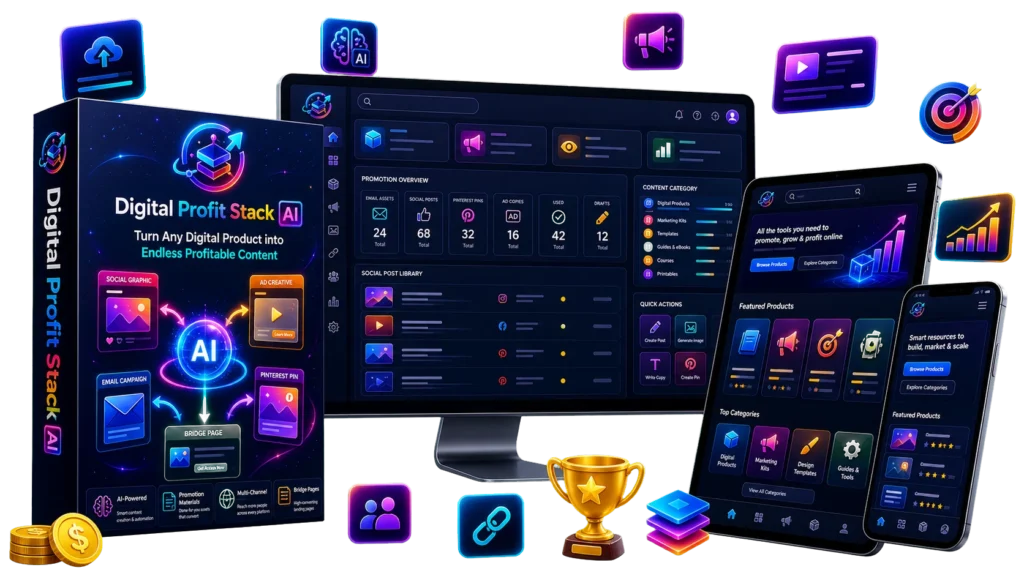

If you’ve ever wondered what is a digital toolkit exactly, and why so many businesses, creators, and teams keep mentioning theirs, the answer is simpler than it sounds. A digital toolkit is just a curated, organized collection of tools, templates, and resources — all digital, all in one place — that helps you do a specific job faster and more consistently. Think of it as the online equivalent of a physical toolbox, except instead of hammers and screwdrivers, it holds apps, files, templates, and accounts that work together toward one goal.
The term gets thrown around loosely, which is exactly why it confuses people. A marketing agency’s digital toolkit looks nothing like a freelance writer’s, and a nonprofit’s looks nothing like either of those. This guide breaks down what a digital toolkit actually is, why having one (even a small one) changes how efficiently you work, and how to build your own without overcomplicating it.
What Is a Digital Toolkit, Really?
At its core, a digital toolkit is a set of digital resources grouped together because they serve a related purpose. That could mean software tools (apps and platforms you log into), templates (documents or designs you reuse), reference materials (guides, checklists, cheat sheets), or a combination of all three. What makes it a “toolkit” rather than just a random folder of files is intention — everything inside was chosen specifically to help with one type of task or one stage of work.

A freelance graphic designer’s toolkit might include Canva for quick mockups, a contract template for new clients, an invoice template, and a shared mood board tool. A small business owner’s branding toolkit might include a logo file, brand color codes, font names, and a handful of social media templates. Neither person needs the other’s tools. That’s the point — a digital toolkit is built around your specific workflow, not a generic list someone else made for a different job entirely.
Why People Build Toolkits Instead of Just Using Tools Separately
You might be thinking: isn’t this just a list of apps I already use? Sort of, but the difference matters more than it seems. Using tools separately, without any structure, means you’re constantly deciding from scratch each time which tool fits which task, hunting for the right template buried in old emails, or rebuilding something you definitely made before but can’t find anymore.
A toolkit removes that friction entirely. Everything related to a specific task lives in one known location, in a consistent format, ready to use the moment you need it. Research on workplace productivity consistently shows that decision fatigue — the mental tax of making small repetitive choices — adds up over a workday. A toolkit cuts dozens of tiny decisions down to one: open the toolkit, grab what you need, get moving.
The Core Components Most Digital Toolkits Share
While toolkits vary by purpose, most well-built ones share a similar structure underneath. Understanding these components makes it much easier to build your own rather than copying someone else’s setup that doesn’t actually fit your work.

- Software and apps: The actual platforms you log into to get work done — design tools, scheduling apps, project trackers, communication platforms.
- Templates: Reusable documents, designs, or layouts that save you from rebuilding the same structure repeatedly.
- Reference materials: Guides, checklists, brand guidelines, or cheat sheets that answer “how do I do this again?” without needing to ask someone.
- Access credentials and links: Saved logins, shared folder links, and bookmarks that get you straight to the resource without searching.
- Standard processes: A short written workflow describing the order tasks happen in, so the toolkit isn’t just tools but also the sequence for using them.
Digital Toolkit vs. Brand Kit vs. Resource Library — What’s the Difference?
These terms get used almost interchangeably, which adds to the confusion around what a digital toolkit actually is. A brand kit is technically a smaller, more specific version of a toolkit — it’s strictly the visual identity pieces: logo files, color codes, fonts, and usage guidelines. A resource library tends to be broader and more passive, often a large collection of files or links without a tight focus on one specific task or workflow.
A digital toolkit sits in between. It’s more focused than a sprawling resource library, but broader than a brand kit alone, since it usually includes active tools (software you use) alongside passive references (templates and guides). Think of a brand kit as one drawer inside a larger digital toolkit, and a resource library as the whole warehouse the toolkit was pulled together from.
Real-World Examples of Digital Toolkits in Action
Seeing concrete examples makes the concept click faster than any definition. A content creator’s digital toolkit might include a content calendar template, Canva for graphics, a hashtag research doc, and a swipe file of captions that performed well in the past. Every piece directly supports the single goal of publishing consistent content without starting from zero each time.
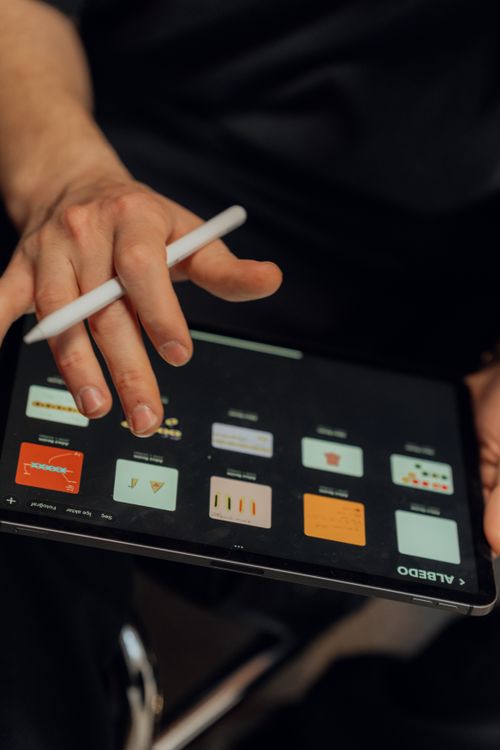
A nonprofit running an awareness campaign might build a toolkit containing pre-written social media captions, downloadable graphics for supporters to share, a one-page fact sheet, and email templates for reaching out to local press. This kind of toolkit gets distributed to volunteers and partners so everyone communicates the same message in the same visual style, without each person reinventing their own version.
A remote team’s onboarding toolkit might include a welcome document, links to every tool the new hire needs accounts for, a glossary of internal terms, and a checklist of first-week tasks. New employees get productive faster because the toolkit answers most of their early questions before they even need to ask.
How to Build Your First Digital Toolkit Without Overcomplicating It
The biggest mistake people make when building a digital toolkit is trying to cover every possible scenario in version one. Start narrow instead. Pick a single recurring task you do often — publishing a blog post, onboarding a client, responding to customer inquiries — and gather only what’s directly needed for that one task.

Create a single shared folder (Google Drive or Dropbox both work fine for free) and drop in the templates, links, and reference docs relevant to that one task. Write a short README-style note at the top explaining what’s inside and in what order to use it. That’s a complete, working toolkit — nothing fancier required. Once you’ve used it a few times and noticed gaps, add to it. A toolkit built gradually through real use is almost always more useful than one planned exhaustively up front and never actually tested.
Where to Store and Share Your Digital Toolkit
For individuals or very small teams, a well-organized Google Drive or Notion page handles this perfectly well and costs nothing. Notion in particular works nicely because you can embed links, checklists, and documents on a single page rather than scattering files across folders. For slightly larger teams who need more structure, free plans of tools like Trello or ClickUp let you organize a toolkit as a board with categorized lists.
If you’re sharing your toolkit publicly — say, giving it away as a lead magnet or resource for your audience — a simple landing page with organized download links, or a tool like elink.io that turns a list of links into a clean visual bookmark page, works well without needing development skills. The platform matters far less than the habit of actually keeping it updated and pointing people to it consistently.
Common Mistakes That Make Toolkits Useless
The most common toolkit mistake is building something once and never touching it again. Tools get discontinued, templates go stale, and processes evolve, but the toolkit sitting untouched for a year still gets opened out of habit, leading to confusion when half the links are dead or the advice no longer applies. Set a recurring reminder — quarterly is usually enough — to skim through and remove anything outdated.

The second mistake is making a toolkit too generic to be useful. A toolkit titled “Marketing Resources” with forty unrelated links inside helps no one, because nobody knows where to start. Narrow, task-specific toolkits beat broad, all-purpose ones almost every time, because the narrower one tells you exactly what to do with it the moment you open it.
Frequently Asked Questions
Is a digital toolkit the same thing as software?
No. Software is one possible ingredient inside a digital toolkit, but the toolkit itself is the organized collection — software, templates, guides, and links — assembled around a specific purpose. You could build a fully functional digital toolkit using free apps you already have; the toolkit is the organization and intention behind how those pieces work together, not a single piece of software you buy.
Do I need technical skills to create a digital toolkit?
Not at all. The simplest digital toolkits are just a well-organized folder with a few labeled subfolders and a short instructions document. Tools like Google Drive, Notion, and Trello all have free, beginner-friendly interfaces specifically because toolkit creation was never meant to require coding or design skills.
How big should a digital toolkit be when I’m just starting?
Smaller than you think. A toolkit covering one specific recurring task, with five to ten genuinely useful items inside, is far more valuable than a sprawling toolkit with fifty links nobody opens. Start narrow and task-specific, then expand only once you notice real gaps through actual use.
Can a digital toolkit be something I sell or give away to my audience?
Yes, this is extremely common. Creators and businesses package toolkits (templates, checklists, guides) as free lead magnets to grow an email list, or as paid products for people who want a ready-made starting point instead of building one from scratch. The same organizing principles apply whether the toolkit is for your own personal use or designed for someone else to use.
What’s the difference between a toolkit and a checklist?
A checklist is usually one document listing sequential steps for a single task. A digital toolkit is broader — it might contain several checklists alongside templates, tool links, and reference guides, all organized around a wider goal. A checklist can absolutely live inside a toolkit, but a toolkit is rarely just one checklist alone.
Your Toolkit Doesn’t Need to Be Perfect — It Needs to Be Used
Now that you know what a digital toolkit actually is, the real value comes from building one, even a small one, around something you do often. It doesn’t need fancy software or a polished design. It needs to sit somewhere you’ll actually open it, holding exactly the things you reach for every time you do that task.
Start with one folder, one task, and the handful of tools and templates you already use for it. Add a short note explaining what’s inside. That’s a real digital toolkit, built in an afternoon, that will quietly save you time every single week from here on.

Zahid Ali focuses on reviewing AI tools, marketing software, and funnel systems. His reviews break down real-world use cases, setup difficulty, pricing structures, and who each product is best suited for.